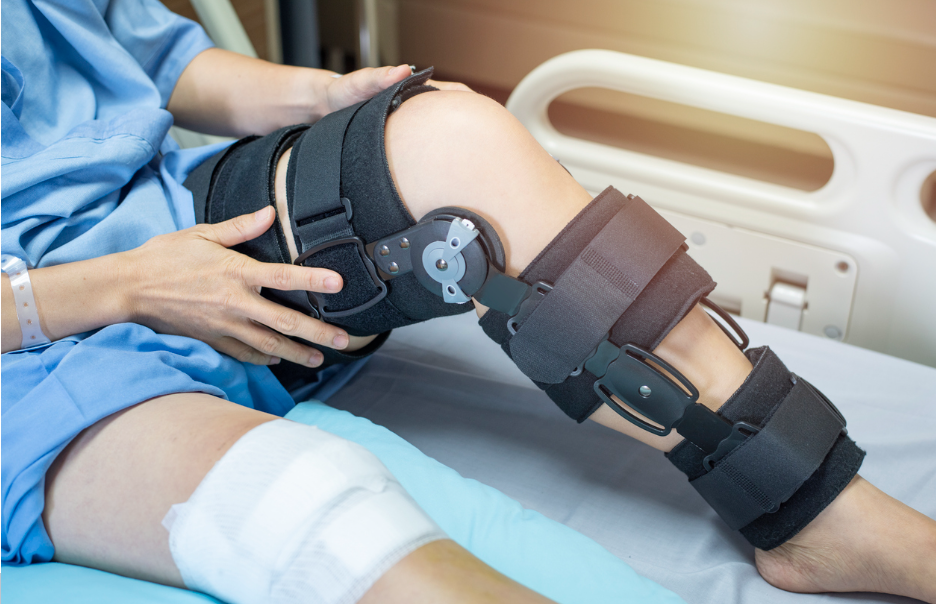
When we think about recovering from an accident, most of us imagine a few weeks of rest followed by a return to normal life. However, emerging research from Florida medical institutions paints a more complex picture. Recent studies examining thousands of accident victims reveal that recovery timelines vary dramatically based on injury type, access to care, and even the legal resolution of claims.
Understanding these timelines isn’t just academically interesting; it has real implications for how medical professionals approach treatment, how insurance systems handle claims, and how victims plan their recovery journeys.
Physical Recovery: Beyond the Initial Healing Period
The most straightforward aspect of accident recovery is physical healing, yet even this proves more nuanced than commonly understood. Research from Florida trauma centers shows that while soft tissue injuries may resolve within 6-12 weeks, the functional recovery period often extends much longer.
Orthopedic injuries present even longer timelines. Fractures typically require 6-8 weeks for bone fusion, but full strength restoration can take 6-12 months. Spinal injuries, particularly common in rear-end collisions, often involve recovery periods extending beyond one year. The Florida Department of Health data indicates that approximately 18% of serious accident victims require ongoing physical therapy beyond the initial six-month mark.
The Psychological Recovery Timeline
Perhaps the most underestimated aspect of accident recovery is psychological healing. Recent research from the University of Florida Health Science Center reveals that post-traumatic stress responses occur in approximately 30% of serious accident victims, with symptoms persisting for an average of 14 months.
Anxiety about driving or returning to accident locations can significantly impact quality of life. A multi-institutional Florida study found that psychological symptoms often peak 2-3 months after the accident rather than immediately following the incident. This delayed onset frequently catches victims and their families unprepared.
Depression related to lifestyle changes, chronic pain, or financial stress affects roughly 25% of accident victims during their recovery period. Mental health professionals now recommend early screening for psychological impacts rather than waiting for symptoms to manifest.
Financial Recovery and Legal Resolution
An often-overlooked dimension of recovery involves financial and legal resolution. Florida research examining insurance claim timelines shows that the average personal injury claim takes 9-15 months to resolve, though complex cases can extend beyond two years.
This extended timeline creates secondary stress for victims managing medical bills, lost wages, and property damage. Studies indicate that unresolved financial concerns can actually slow physical recovery by elevating stress hormones and disrupting sleep patterns essential for healing.
When accident victims need legal representation to navigate insurance claims and liability issues, working with experienced Fort Lauderdale accident claim lawyers can help streamline this process and reduce the financial uncertainty that complicates recovery. Research shows that having clear legal guidance early in the recovery process correlates with better mental health outcomes and more focused attention on physical rehabilitation.
Factors That Accelerate or Delay Recovery
Florida researchers have identified several key variables that significantly impact recovery timelines:
Age and Pre-existing Conditions: Victims over 65 require approximately 40% longer recovery periods than younger adults with comparable injuries. Pre-existing conditions like diabetes or cardiovascular disease can double expected recovery times.
Quality of Initial Treatment: Access to trauma centers within the first hour after an accident, the “golden hour,” correlates with 30% faster recovery timelines according to Florida trauma network data.
Social Support Systems: Patients with strong family support networks show measurably faster recovery across all injury categories. The presence of a dedicated caregiver during the first month reduces complication rates by approximately 25%.
Economic Stability: Victims who must return to work prematurely due to financial pressure show higher rates of re-injury and prolonged overall recovery periods.
Understanding Your Recovery Journey
The research makes one thing clear: there is no universal recovery timeline. Two people with identical injuries may experience vastly different recovery trajectories based on these intersecting factors.
Medical professionals increasingly emphasize individualized recovery planning that accounts for physical healing, psychological wellbeing, and the practical realities of each patient’s situation. The Florida medical community now recommends comprehensive recovery assessments at 6 weeks, 3 months, 6 months, and one year post-accident to track progress across all dimensions.
For accident victims, understanding that recovery is a multifaceted process, not just a matter of physical healing, can provide realistic expectations and reduce frustration during the journey. The psychological, financial, and legal aspects of recovery deserve the same attention and professional support as the physical injuries themselves.
As research continues to reveal the true complexity of accident recovery, both medical and legal systems are adapting to support victims through what is often a much longer journey than initially anticipated.
